Biodiversity Aspects of Akiing Azhenan
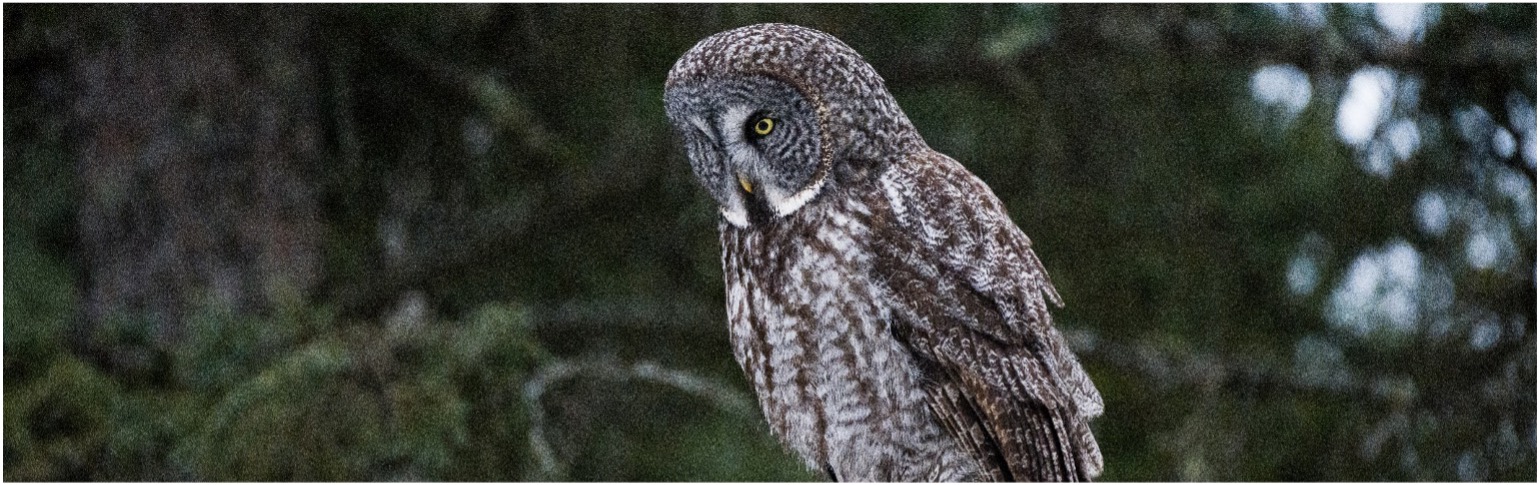
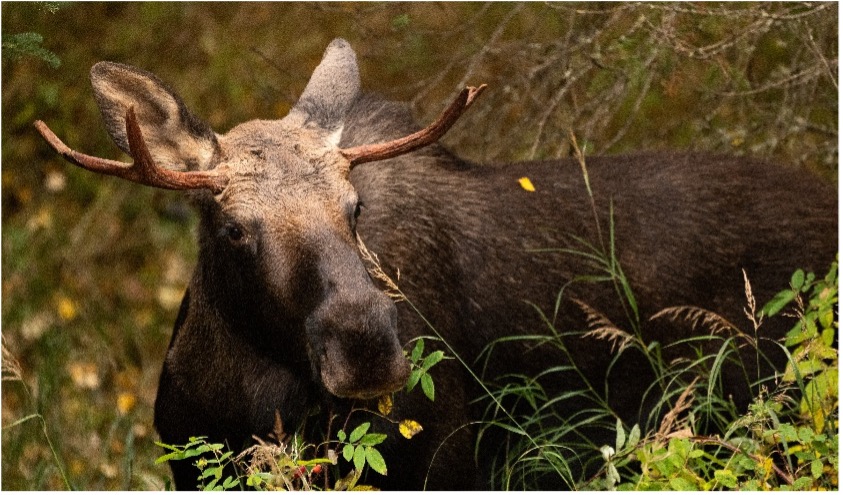
Akiing Azhenan will generate important benefits for the area’s animals, plants, and ecosystems. The forest management plan aims to protect culturally significant species in a more mature, healthier, and diverse forest ecosystem. Some of the species that are critical to protect include remaining old growth cedar as well as moose, birds/waterfowl, sweetgrass, blueberries, labrador tea, red willow, and traditional medicines. Additionally, management will be well planned (e.g. proper management of roads, appropriate trapping practices, and proper birch bark harvesting) to avoid adverse impacts on the area’s biodiversity. The Project is applying Verra’s Climate, Community, and Biodiversity (CCB) Standard to monitor, report, and verify the project’s community and biodiversity impacts. The CCB Standard ensures that projects are designed through effective participation of the rightsholders and provide tangible positive social and environmental benefits. To learn more about the CCB Standard in the context of this project, click here (add link to CCB factsheet but disable until content added)
The CCB Standard ensures that projects are designed through effective participation of the rightsholders and provide tangible positive social and environmental benefits. Some of the main requirements include:
Biodiversity Requirements:
- The project must describe the biodiversity at the start of the project and evaluate whether any of the following High Conservation Values (HCVs) are present in the project area: protected areas; threatened species; endemic species; or areas that support significant concentrations of species.
- The project must describe any changes that may occur to the biodiversity in the project area as a result of the project and describe the measures the project will take to mitigate any negative impacts on biodiversity. The project must ensure that no HCVs are negatively impacted.
- The project must identify all species used in management activities and ensure no invasive species are introduced.
 The Bois Forte Tribal Council has designated a Project Steering Committee, made up of Bois Forte Band members and employees from the Forestry Department, Conservation Committee, and Energy Department, to work with the Project’s technical Advisors (the National Indian Carbon Coalition, The Nature Conservancy, and TerraCarbon) to design the project. Throughout the design process, the Steering Committee will host regular opportunities to gather input and ideas from the Band members on key project elements, including the biodiversity aspects described above. If you would like to know more about the process or get involved, please reach out to DNR Programs Director Chris Holm or Forest Programs Manager Cody Swanson.
Biodiversity Goals:
- Sustainable diverse, healthy and resilient forests are supported through strategic protection of tribal lands.
- Culturally significant species are protected in more mature, healthier, and diverse forest ecosystems.
- Participants have highlighted the importance of protecting remaining old growth cedar as well as other important species like moose, birds/waterfowl, sweetgrass, blueberries, labrador tea, red willow, and traditional medicines.
- Participants emphasized that management needs to be well planned (e.g. proper management of roads, appropriate trapping practices, and proper birch bark harvesting) and management objectives need to explicitly include important species.
As part of the CCB Standard, the project has developed a number of key processes and policies. Follow each link below to learn more: